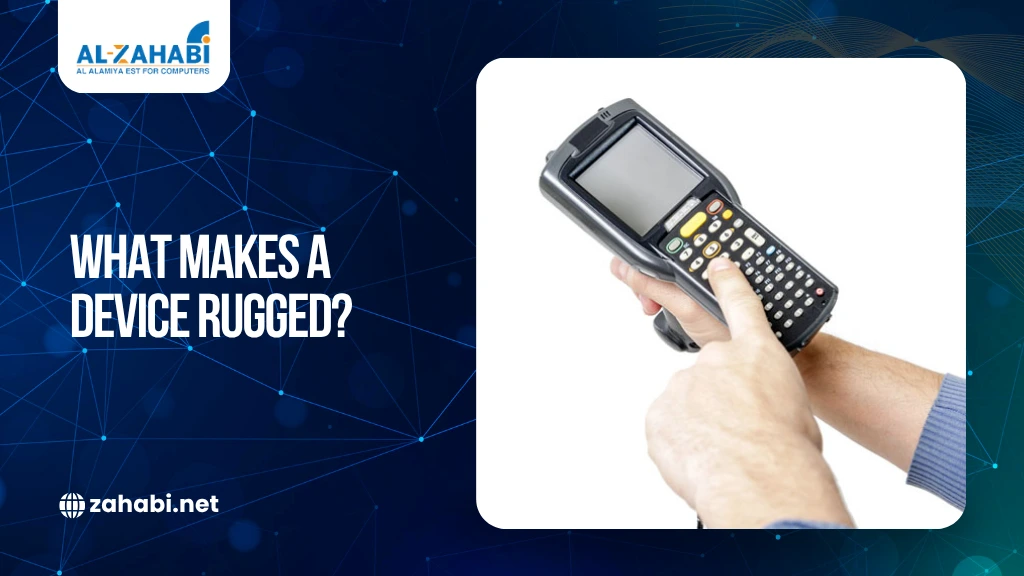
Standard smartphones and consumer devices work well in offices, but they often struggle in industrial environments. Dust, heat, moisture, warehouse movement, and repeated drops can quickly affect performance. A device failure during inventory scanning or dispatch operations can delay entire workflows.
This is where businesses start asking what is a rugged device and why industries invest in them.
Rugged devices are not simply tougher-looking versions of regular hardware. They are built for operational reliability in demanding environments such as warehouses, logistics hubs, manufacturing plants, field service sites, and construction projects.
For example, a warehouse employee scanning pallets across concrete floors needs equipment that survives drops and long shifts. Consumer devices rarely last in such conditions.
This guide explains rugged technology practically, helping businesses understand specifications, certifications, workflows, and buying factors before investing.
Key Takeaways:
- Rugged devices are built for demanding industrial environments.
- Certifications matter more than appearance.
- Warehouses and logistics operations rely heavily on rugged hardware.
- Long-term durability reduces downtime costs.
- Device selection should match operational workflows.
Understanding What Is a Rugged Device
A rugged device is hardware designed to work reliably in environments where normal consumer devices often fail. These devices are built to handle dust exposure, accidental drops, moisture, vibration, temperature changes, and continuous industrial usage.
Unlike regular smartphones or tablets, rugged hardware focuses on operational reliability. Features such as reinforced housings, sealed ports, stronger screens, and impact resistance help them perform consistently in demanding environments.
Many businesses rely on these harsh environment devices because downtime directly affects productivity. For example, a warehouse worker scanning inventory across loading areas needs equipment that can survive drops and constant movement without interrupting operations.
Why Rugged Devices Exist in Industrial Operations?
Industrial environments place far more stress on devices than office spaces. Warehouses involve repeated movement and frequent handling, while manufacturing plants expose equipment to dust, vibration, and long operating hours.
Field service teams face different challenges. They often work outdoors where rain, sunlight, and changing temperatures affect device performance.
Consider a logistics employee scanning shipments during dispatch operations. If the device fails during peak hours, the delay can affect inventory tracking and shipment movement. This is one reason companies invest in rugged devices for industrial use rather than standard consumer hardware.
Rugged Standards That Matter Before Buying
Not every rugged device offers the same protection. Testing standards help businesses understand performance.
IP Ratings and Environmental Protection
IP ratings explain protection against dust and water.
Common examples include:
Standard | Protection Level | Typical Use |
IP65 | Dust-resistant and water spray protection | Warehouses |
IP67 | Temporary water immersion | Outdoor logistics |
IP68 | Extended protection | Field environments |
An IP65 device works well inside distribution centers. IP67 devices suit outdoor delivery teams exposed to rain. Businesses handling moisture-heavy environments often prefer higher ratings.
MIL Testing and Rugged Validation
Another important standard is MIL testing. Many military-grade rugged devices follow MIL-STD-810H testing procedures.
This evaluates:
- Shock resistance
- Temperature tolerance
- Drop endurance
- Vibration performance
“Military-grade” does not mean the device is only for defense applications.
It simply means the hardware passed durability testing standards. Devices tested under MIL-STD-810H often perform better in industrial environments.
Common Rugged Devices Used Across Industries
Different operations require different hardware.
1. Rugged Handheld Devices for Mobility
Rugged handheld devices are widely used in warehouses and logistics environments.
These devices support:
- Inventory scanning
- Barcode reading
- Shipment tracking
- Pallet movement.
For example, workers moving inventory across large storage facilities depend on handheld units throughout the shift.
Many businesses combine them with a warehouse barcode scanner for faster operations, especially when choosing between wired and wireless scanning setups.
Their portability improves movement without sacrificing durability.
2. Rugged Tablets for Field Teams
Field technicians and construction managers often use rugged tablets.
These devices support:
- Documentation
- Inspection reports
- Project tracking
- workforce coordination
Unlike consumer tablets, rugged versions survive dust, weather exposure, and repeated handling. Construction environments especially benefit because devices frequently move between locations.
3. Rugged Mobile Computers for Enterprise Operations
A rugged mobile computer provides advanced enterprise functionality.
These systems support:
- Real-time inventory access
- Cloud synchronization
- Route management
- Delivery tracking.
Many logistics businesses rely on them because operations continue while employees remain mobile. This acts as an important part of any rugged mobile computer guide.
4. Rugged Barcode Scanners
Barcode environments often demand continuous scanning. Cold storage warehouses, distribution hubs, and manufacturing sites commonly use rugged scanners.
A practical rugged scanner buying guide usually focuses on:
- Scanning speed
- Drop resistance
- Battery life
- Environmental tolerance.
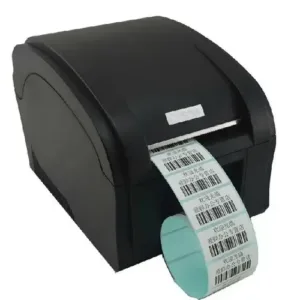
Some operations also pair scanners with an industrial barcode printer and RFID scanner systems.
Industries Driving Demand for Rugged Technology
1. Warehouses and Distribution Operations
Warehousing remains one of the biggest users of rugged systems. Many warehouse teams also compare RFID and barcode technologies to improve inventory visibility and tracking accuracy.
This makes rugged technology for warehouses extremely important. High-temperature storage areas and busy dispatch zones increase device stress. Standard devices rarely perform consistently in these conditions.
2. Manufacturing Facilities
Manufacturing sites expose equipment to dust, machine vibration, and long operating shifts. Workers often move between stations while accessing production information.
Many industrial rugged devices are designed specifically for these environments. Their sealed construction reduces failures.
3. Construction and Field Service
Construction teams work outdoors under changing conditions. Devices encounter heat, dust, moisture, and accidental drops.
Field engineers also need reliable connectivity while moving between sites. Rugged hardware improves reliability in these situations.
4. Retail Distribution and Inventory Operations
Large retailers increasingly use rugged tools inside warehouses and stock rooms. Inventory checks, mobile audits, and shipment verification require durable devices.
Many teams integrate a barcode scanner and handheld scanner setup to speed operations.
Operational Benefits Beyond Durability
1. Reduced Downtime
Device failure creates delays. A broken scanner during dispatch operations can slow inventory movement across the warehouse. One of the biggest benefits of rugged devices is reduced downtime. Fewer failures mean smoother workflows.
2. Longer Service Life
Consumer hardware often needs replacement faster. Rugged devices typically survive longer because of reinforced construction. This improves return on investment. Lower replacement frequency also reduces operational costs.
3. Better Environmental Performance
Industrial environments create unique challenges. Dust, moisture, and temperature variation affect performance. Rugged devices continue operating where standard hardware may fail. This reliability matters during peak workloads.
4. Improved Workforce Productivity
Reliable equipment improves efficiency. Workers spend less time dealing with device issues. Warehouse teams maintain faster scanning speeds. Field staff complete documentation without interruptions. Operational consistency becomes the real advantage.
Comparing Rugged Devices with Consumer Hardware
Many businesses initially consider using regular smartphones or tablets. However, industrial environments quickly reveal limitations.
Feature | Consumer Device | Rugged Device |
Drop Protection | Limited | High |
Dust Resistance | Minimal | Strong |
Industrial Usage | Limited | Designed for it |
Lifespan | Shorter | Longer |
Repair Frequency | Higher | Lower |
Consumer hardware works well inside offices. Industrial environments require different priorities. This is why industrial rugged devices continue gaining adoption.
Choosing the Right Rugged Device
Buying decisions should start with operations.
1. Evaluate the Work Environment
Indoor warehouses need different protection compared to outdoor construction sites. Consider: Heat exposure, moisture risk, dust levels, and movement intensity.
High-temperature logistics environments usually need stronger protection.
2. Review Battery Requirements
Long shifts require dependable power. Warehouses operating multiple shifts often prefer hot-swappable batteries.
This reduces downtime during busy periods. Battery planning directly affects productivity.
3. Check Connectivity Options
Modern operations rely on real-time information. Businesses should review: Wi-Fi support, cellular connectivity, Bluetooth devices, and cloud access.
Delivery teams especially depend on continuous connectivity.
4. Match Scanner Performance
Scanning requirements vary. Some operations need short-range barcode reading. Others manage high-volume inventory environments. Choosing the correct handheld scanner improves workflow efficiency.
5. Consider Ownership Costs
Initial purchase cost should not be the only factor when selecting a rugged device. Businesses also need to evaluate long-term expenses such as repair costs, replacement cycles, downtime impact, and overall reliability.
For example, a cheaper consumer device may reduce upfront spending but could require frequent repairs or replacements in industrial environments. A rugged device often costs more initially, but its durability and lower failure rate can reduce operational interruptions and provide better long-term value.
Real-World Examples of Rugged Deployment
A warehouse processing thousands of daily shipments previously relied on consumer devices for scanning. Frequent drops and battery issues increased replacement costs and slowed operations.
After switching to rugged handheld systems, downtime reduced and device life improved.
Cold storage facilities provide another example. Low temperatures affected traditional scanners, creating performance issues. Rugged units designed for extreme environments delivered better reliability.
Construction teams also benefit from rugged tablets because they allow engineers to access reports and project updates without worrying about dust, moisture, or accidental damage.
Are Rugged Devices Worth the Investment?
For office environments with minimal operational stress, standard hardware may work well. Industrial businesses operate differently because device failures directly affect productivity, repairs, and replacement costs.
Rugged devices help reduce these risks by improving reliability and minimizing workflow interruptions.
A rugged device delivers value not because it looks stronger, but because it keeps operations moving in demanding environments.
Conclusion
Understanding ‘what is a rugged device’ goes beyond durability claims. Rugged hardware is built for reliability in warehouses, logistics hubs, manufacturing plants, and field environments where standard devices struggle. Features such as environmental protection, reinforced construction, and industrial testing help reduce downtime and improve productivity. The right device is the one that fits operational requirements, not simply the toughest option available.
FAQs
1. What industries use rugged devices most?
Warehouses, logistics companies, manufacturing plants, construction sites, and field service businesses commonly use rugged devices because they operate in demanding environments.
2. Are rugged devices waterproof?
Some rugged devices offer water resistance, but protection depends on IP ratings. Models with IP67 or IP68 usually handle moisture better.
3. What does MIL-STD-810H indicate?
MIL-STD-810H is a durability testing standard. It evaluates shock resistance, vibration handling, temperature tolerance, and drop performance.
4. How long do rugged devices usually last?
Rugged devices often last longer than consumer hardware because they are built for continuous industrial usage and harsh conditions.
5. What is a rugged device used for in industrial environments?
A rugged device is used for depends on the operation. These devices are commonly used in warehouses, logistics, manufacturing, and field service environments where standard devices may fail due to dust, drops, or harsh conditions.


 by
by