Barcode printing affects much more than label appearance. It directly influences inventory accuracy, warehouse scanning speed, shipping operations, and retail efficiency. A faded label or unreadable barcode can slow dispatch workflows and create tracking errors.
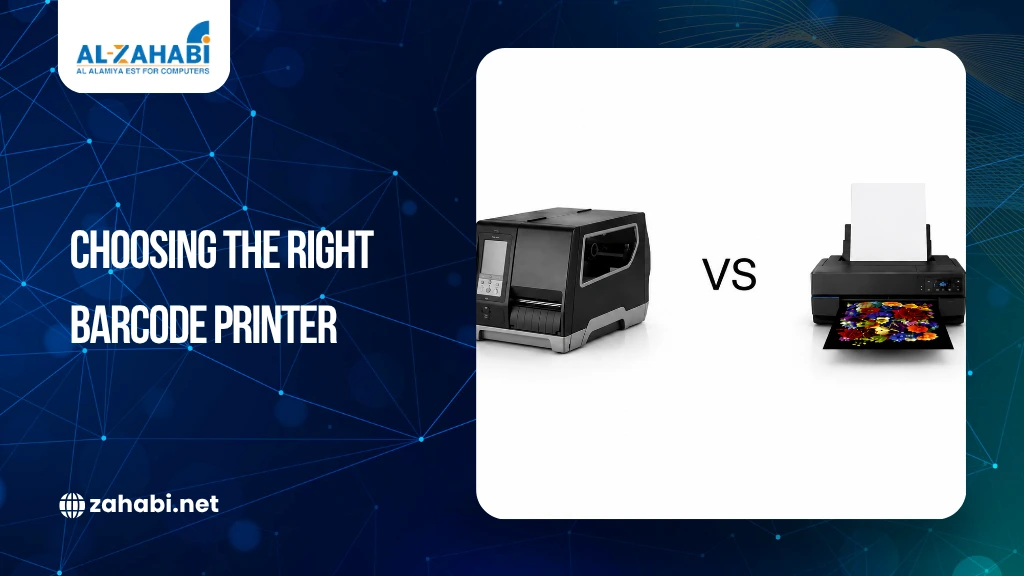
This is why many businesses compare thermal vs inkjet barcode printers before investing in a printing system. Warehouses often need thousands of labels daily, while retail stores may print smaller batches with branding elements. Choosing the wrong technology can increase maintenance costs, reduce barcode readability, and create workflow interruptions.
Thermal and inkjet printers serve different purposes. One focuses on durability and industrial efficiency, while the other offers flexibility for low-volume and color-heavy printing.
This guide explains both technologies in practical terms so businesses can choose the right printer based on operations, label lifespan, and long-term value.
Key Takeaways:
- Thermal printers dominate industrial barcode workflows.
- Inkjet printers work better for light labeling environments.
- Barcode durability affects scanning accuracy.
- Long-term costs matter more than purchase price.
- Label environment should influence printer selection.
Understanding the Difference Between Thermal and Inkjet Barcode Printers
The comparison between thermal vs inkjet barcode printers starts with how they print.
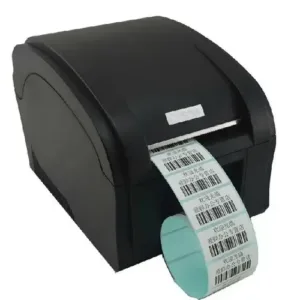
Thermal printers use heat to create barcode images. They do not rely on liquid ink and instead print using heat-sensitive labels or ribbons. Inkjet printers use liquid ink cartridges to place images directly onto labels or packaging surfaces.
Here is a quick comparison:
Feature | Thermal Printer | Inkjet Printer |
Printing Method | Heat-based | Ink-based |
Ink Requirement | No | Yes |
Barcode Durability | High | Moderate |
Print Speed | Faster | Slower |
Maintenance | Lower | Higher |
Best Use | Warehouses and logistics | Offices and light labeling |
Many businesses choose thermal systems because of the thermal barcode printer benefits linked to speed and reliability. Inkjet models remain useful in lower-volume environments.
Thermal Printing Technology and Its Workflow Advantages
Thermal printing is widely used in warehouses, shipping centers, and logistics operations because it supports fast label production.
Unlike traditional printers, thermal systems reduce dependency on cartridges and support continuous operation.
1. Direct Thermal Printing for Short-Term Labels
Direct thermal printing uses heat-sensitive labels. The printhead applies heat directly onto the label surface, creating the image without ink or ribbon.
This method is common for: Shipping labels, receipts, dispatch stickers, and temporary inventory tags.
The discussion around direct thermal vs inkjet printing often starts here because direct thermal systems offer simple operation. However, labels may fade over time when exposed to heat or sunlight.
A logistics company printing daily shipment labels often uses this method because label lifespan requirements remain short.
2. Thermal Transfer Printing for Long-Term Use
Thermal transfer printing uses ribbons to transfer images onto labels. This process creates stronger and more durable labels.
It is widely used in: Warehouse inventory systems, manufacturing environments, asset tracking, and industrial storage.
These industrial barcode printing methods perform better in demanding environments.
Here is a comparison:
Thermal Method | Common Use | Durability |
Direct Thermal | Shipping labels | Moderate |
Thermal Transfer | Warehouse labels | High |
Businesses needing long-lasting barcode labels usually prefer thermal transfer systems.
Inkjet Printing and Its Practical Applications
Inkjet printing uses liquid ink to create barcode images directly on labels, packaging surfaces, or printable materials. Unlike thermal systems, inkjet printers spray tiny ink droplets onto the surface to produce text, graphics, and barcode elements. This technology is commonly used for color graphics, office documentation, packaging designs, and low-volume label printing, where visual appearance is important.
An inkjet barcode printer comparison often highlights its flexibility because it supports colorful designs and detailed printing. However, industrial operations may face some limitations. Ink can smudge if labels are handled immediately after printing, and drying time may slow workflows in high-volume environments. Moisture, dust, and heat exposure can also affect label durability.
For example, warehouse labels used in dusty storage areas or exposed to heat during logistics operations may lose readability faster when printed using low-quality inkjet systems. This directly affects barcode printing technology performance because faded labels reduce scanning accuracy and may slow inventory processing.
Barcode Quality and Scanning Accuracy
Barcode quality directly affects workflow speed and operational accuracy. When scanners struggle to read labels, inventory movement slows down and delays start affecting daily operations. Warehouses handling large product volumes especially depend on clear and consistent barcode printing because even small scanning issues can create inventory mismatches.
Thermal printers usually produce sharper barcode lines and maintain consistent print quality even during continuous printing. This is one reason they are widely used in warehouse and logistics environments. Inkjet printers may deliver good visual output, but labels can become difficult to scan when exposed to moisture, dust, or repeated handling.
This barcode label printer comparison becomes especially important in logistics operations. For example, a warehouse using a warehouse barcode scanner during dispatch activities may experience slower processing if labels fade or smudge. Poor barcode readability can increase scanning errors and affect shipment accuracy.
Because of this, many businesses searching for the best barcode printer for labels prioritize scan reliability and label durability over visual appearance alone.
Durability Comparison in Real Work Environments
Industrial environments create several challenges for barcode labels and printing systems. Labels used in warehouses, logistics centers, manufacturing plants, and distribution hubs are often exposed to dust, heat, moisture, cold storage conditions, and repeated handling during daily operations.
Thermal printers are generally designed to perform better in these demanding environments because they produce labels with stronger durability and consistent barcode quality. They are commonly used for warehouse inventory labels, shipping operations, and industrial tracking systems.
Inkjet printers, on the other hand, usually perform better in controlled environments such as offices, retail stores, or low-volume labeling operations where labels face limited environmental exposure. In high-activity industrial settings, label durability often becomes a deciding factor when selecting a barcode printing system.
Here is a durability comparison:
Operational Factor | Thermal Printer | Inkjet Printer |
Continuous Printing | Excellent | Moderate |
Dust Resistance | Better | Lower |
Label Durability | High | Moderate |
Maintenance Frequency | Lower | Higher |
Many logistics facilities prefer thermal systems because printing never stops during busy operations. High-volume warehouses especially benefit from thermal label printer advantages.
Operational Cost Comparison
Cost comparison should go beyond the initial purchase price because long-term operating expenses often have a bigger impact on business profitability. Thermal printers usually require a higher upfront investment, but their ongoing costs are often lower since they do not rely on traditional ink cartridges. Maintenance is also simpler, which helps reduce interruptions in high-volume environments.
Inkjet printers generally cost less at the beginning, making them attractive for smaller businesses or low-volume printing needs. However, regular cartridge replacements, cleaning requirements, and higher maintenance can increase costs over time.
A practical barcode printer buying guide should always consider total ownership costs rather than only purchase price. For example, a logistics company printing thousands of shipping labels every month may spend more initially on thermal printing but save significantly through lower maintenance, reduced consumable costs, and fewer workflow interruptions. In many cases, long-term value becomes more important than the initial investment.
Industry-Based Printer Selection
Choosing between thermal and inkjet barcode printers affects more than printing quality. The right system can improve barcode readability, inventory accuracy, label durability, and long-term workflow efficiency across warehouses, retail stores, and manufacturing operations.
1. Warehouses and Logistics Operations
Warehouses rely heavily on barcode accuracy, fast printing, and durable labels because products move continuously through dispatch areas, inventory zones, shipping departments, and storage locations. In these environments, labels must remain readable even after repeated handling and scanning.
This is where the thermal barcode printer’s benefits become more noticeable. Thermal systems support high-volume printing, faster label production, consistent barcode quality, and reduced downtime. Many logistics businesses also combine thermal printers with a shipping label printer and barcode scanner system to improve inventory tracking and dispatch efficiency.
2. Retail Stores and Stockrooms
Retail businesses use barcode labels for product pricing, shelf management, inventory tracking, and stockroom operations. Smaller stores with limited printing requirements may still find inkjet printers suitable because print volumes remain lower.
However, large retail chains often move toward thermal systems because they handle frequent label printing more efficiently. Many stores also use a thermal receipt printer alongside barcode printing systems to support billing and inventory operations within the same workflow.
3. Manufacturing Environments
Manufacturing facilities require labels that can survive challenging environments. Products often move through areas exposed to heat, chemicals, abrasion, machine handling, and long storage periods.
Because of these conditions, thermal transfer printing usually performs better than standard ink-based methods. Many factories use an industrial barcode printer for asset tracking, production management, and inventory identification. Durable labels help maintain barcode readability and improve operational accuracy throughout manufacturing processes.
4. Offices and Low-Volume Operations
Inkjet printers still have value. Offices printing occasional labels often prefer them because setup costs remain lower.
Businesses focusing on branding or color elements also benefit. For low-volume workflows, inkjet systems remain practical.
Choosing the Right Barcode Printer
Choosing the right barcode printer affects label durability, scanning accuracy, and long-term operational efficiency across warehouses, retail stores, and logistics workflows.
1. Review Daily Printing Volume
Printing volume should be one of the first factors when choosing a barcode printer. Businesses producing thousands of labels every day usually benefit from thermal systems because they are designed for continuous operation and faster output. Warehouses, logistics centers, and distribution facilities often fall into this category.
Lower-volume environments such as offices, boutiques, or small retail stores may work well with inkjet printers. In these cases, printing demand remains manageable, and high-speed industrial performance may not be necessary. Operational volume often changes the long-term economics of barcode printing.
2. Consider Label Lifespan
Label durability plays an important role in printer selection. Temporary shipping labels generally do not require long-term resistance because they are used for short periods. However, warehouse inventory labels, asset tags, and manufacturing identifiers often need extended durability.
Businesses should evaluate factors such as heat exposure, moisture levels, storage duration, and handling frequency. Labels used in dusty warehouses or high-temperature environments usually need stronger printing methods. These conditions directly influence technology selection.
3. Evaluate Scanning Requirements
Barcode readability affects inventory accuracy and workflow speed. Labels should remain clear and scannable throughout their lifecycle, especially in operations that rely on a barcode scanner system for tracking products and shipments.
Poor print quality can lead to faded labels, scanning delays, and inventory errors. Thermal printers usually perform better in high-volume environments because they provide more consistent barcode quality. Businesses handling regular scanning activities should prioritize print stability before making a decision.
4. Calculate Total Ownership Cost
Purchase price alone does not determine printer value. Businesses should also review ongoing costs such as consumables, maintenance requirements, downtime risk, and replacement expenses.
A printer with a higher upfront investment may still reduce long-term operating costs if it improves efficiency and lowers maintenance needs. Logistics companies printing large label volumes often recover the initial investment through better productivity and fewer workflow interruptions.
Real Business Examples
Different businesses require different barcode printing setups based on their operations. For example, a retail boutique printing occasional shelf labels or price tags may use inkjet printers successfully because label volume remains relatively low. These businesses often prioritize flexibility and visual presentation over high-speed production.
Now consider a warehouse shipping thousands of products every week. Labels move continuously through inventory areas, dispatch zones, and shipping stations. Scanning takes place throughout the day, so barcode quality and durability become critical. In this environment, thermal printers are usually more practical because they support faster printing and better label consistency.
Manufacturing facilities create another use case. Asset labels and tracking tags often remain attached to products or equipment for long periods. Thermal transfer labels generally perform better here because they resist wear and remain readable for longer durations.
Different workflows require different printing technologies, and operational needs should always guide the final choice.
Final Buying Perspective
Choosing between thermal and inkjet barcode printers depends largely on how and where labels will be used. Thermal systems are commonly preferred in warehouses, logistics centers, and manufacturing facilities because they support high-volume printing, stronger durability, and better long-term efficiency.
Inkjet printers still have value in smaller businesses, office environments, and low-volume operations where printing flexibility is more important than industrial durability.
The best barcode printer is not always the one with more features. It is the one that supports daily workflows, maintains barcode readability, and improves operational efficiency over time. Businesses should evaluate print volume, label lifespan, scanning requirements, and long-term costs before making a decision.
Conclusion
The decision between thermal vs inkjet barcode printers is not simply about printing technology. It affects barcode quality, scanning speed, inventory accuracy, and long-term operating costs. Thermal printers remain the preferred choice for warehouses, logistics centers, and manufacturing operations, while inkjet systems still suit low-volume and office environments. Businesses should evaluate label lifespan, print volume, and scanning requirements before choosing.
FAQs
1. Which printer works better for warehouse barcode labels?
Thermal printers usually work better because they produce durable labels and support continuous high-volume printing environments.
2. Do thermal barcode printers require ink cartridges?
No. Thermal printers use heat-based technology and generally do not require traditional ink cartridges.
3. Are inkjet printers suitable for barcode labels?
Yes, but they work best for low-volume environments. Industrial operations often prefer thermal systems because labels last longer.
4. Which labels last longer in industrial environments?
Thermal transfer labels generally last longer because they resist moisture, abrasion, and continuous handling.
5. Are thermal vs inkjet barcode printers suitable for the same workflow?
No. Thermal vs inkjet barcode printers serve different needs. Thermal systems fit industrial operations, while inkjet models work better for lighter labeling tasks.


 by
by