No products in the cart.

Shopping cart (0)
Subtotal: د.ك0.000
Spend د.ك3,050.000 to get free shipping
Congratulations! You've got free shipping.
Menu
Categories
- All in one terminal | Pos Machines | Zahabi
- Barcode Printing Solution
- Biometrics Attendance System
- ID Cards
- Kiosk
- Mobile Computer in Kuwait
- POS Accessories
- POS Machines
- Price Checker Kios | Pos Machines | Zahabi
- RECEIPT PRINTER
- RFID & Hardware Solutions
- Uncategorized
ZAHABI
How Thermal Barcode Printers Reduce Wastage & Improve Profit Margins
- By Zahabi
Retail businesses in Kuwait are always looking for ways to control costs and keep daily operations running smoothly. But how often does printing come up when reviewing store expenses? Label reprints, fading barcodes, and printer maintenance can quietly add to operational costs.
Thermal barcode printing helps address these issues. Using thermal barcode printers for retail businesses supports cost-saving barcode printing solutions by improving print consistency and reducing unnecessary label waste.
Where Do Barcode Printing Fits in Daily Retail Operations?
Barcode printing supports several routine activities in retail stores, even though it often runs in the background. From pricing labels to inventory tracking, printed barcodes help connect physical products with digital inventory systems.
In most retail environments, barcode printing is used during receiving, shelf replenishment, product labeling, and price updates. When these labels print clearly and scan correctly, inventory records stay accurate and checkout processes remain smooth. However, when printing becomes inconsistent, small disruptions begin to appear across daily store operations.
For example, if product labels fade or scan poorly, staff may need to reprint labels during store hours. This interrupts workflow and slows inventory updates. Therefore, reliable barcode printing plays an important role in maintaining efficient retail operations and accurate stock management.
Why Printing Waste Matters in Retail Operations?
Printing waste affects both material costs and staff productivity. When labels need to be reprinted, employees spend time fixing printing issues instead of assisting customers or updating inventory. For example, if price labels fade or barcodes fail to scan during checkout, staff must pause operations to print replacements.
Therefore, these small interruptions add up during the day. Frequent label reprints, scanning errors, and minor maintenance tasks slow inventory updates and checkout processes. Thus, improving barcode printing consistency helps retailers reduce these daily disruptions and keep store workflows running smoothly.
Common sources of printing waste include:
- incorrect printer settings
- low-quality labels
- fading barcodes
- inconsistent printing output
Reducing these problems improves barcode printing efficiency in retail.
Why Efficiency in Label Printing Affects Retail Profitability?
Printing errors may look small, but they add up across daily operations. When labels fade or barcodes fail to scan, staff must stop and fix the problem. This wastes both materials and time.
Retail operations research consistently shows that operational inefficiencies reduce profitability. According to Deloitte’s report on the future of retail operations, improving workflow efficiency across inventory and store processes helps retailers reduce operational costs and improve productivity.
Retailers often experience:
- Repeated label printing
- wasted label rolls
- delayed inventory updates
- checkout interruptions
Improving barcode printing efficiency in retail reduces these recurring problems.
How Thermal Barcode Printers Reduce Label Waste?
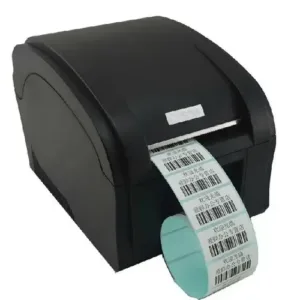
Thermal printing technology produces barcodes using controlled heat rather than ink cartridges. This produces consistent barcode contrast across labels.
When barcode quality remains stable, scanners read labels correctly the first time. This reduces reprinting and label waste.
Retailers using thermal barcode printers for retail businesses often notice fewer printing errors within the first few months of switching from ink-based systems.
Consistent Print Output Reduces Reprints
Thermal printers produce uniform barcode edges and consistent darkness levels. This improves scanning reliability during checkout and inventory tracking.
When labels scan correctly on the first attempt, stores avoid wasting labels and staff time. Over time, this directly supports cost-saving barcode printing solutions.
Direct Thermal vs Thermal Transfer Printer: Choosing the Right Technology
Understanding direct thermal vs thermal transfer printer technology helps retailers choose the right solution for their labeling needs.
Both printing methods use heat, but they differ in durability and long-term cost.
Direct Thermal Printing for Short-Term Labels
Direct thermal printers use heat-sensitive labels that darken during printing. These printers are commonly used for receipts, shipping labels, and temporary product tags.
Direct thermal printing:
- requires no ribbon
- has fewer maintenance requirements
- works well for short-term labels
However, labels may fade when exposed to heat or sunlight.
Thermal Transfer Printing for Durable Labels
Thermal transfer printers use ribbons to transfer ink onto labels. This produces longer-lasting barcodes suitable for product identification and inventory labels.
Thermal transfer printing:
- supports synthetic labels
- produces durable barcodes
- reduces long-term re-printing
Thus, choosing the correct printing method improves barcode printing efficiency in retail.
Printing Cost Comparison: Ink vs Thermal Technology
Printing technology directly affects operating costs.
Retailers switching from ink-based printing often see cost reductions in consumables and maintenance.
| Cost Area | Ink Printing | Thermal Printing |
| Ink/Toner | Required | Not required |
| Maintenance | Frequent | Minimal |
| Print consistency | Variable | Stable |
| Label reprints | Higher | Lower |
| Long-term cost | Higher | Lower |
These savings explain the benefits of thermal barcode printing in retail operations.
Why Do Thermal Barcode Printers Require Less Maintenance?
Thermal barcode printers require less maintenance because they use heat instead of ink or toner to produce labels. With fewer consumables involved, there are fewer parts that need replacement or cleaning during daily operations. So, printing remains more consistent over time.
In retail stores where labels are printed regularly, ink-based printers can interrupt workflows due to cartridge changes or print-quality issues. Thermal printers, however, run more consistently and require fewer adjustments, which helps retailers maintain barcode printing efficiency in retail and avoid unexpected printing delays.
How Thermal Printing Improves Inventory Accuracy?
Barcode clarity affects inventory accuracy. When barcodes scan correctly, inventory systems update immediately without manual corrections.
Retailers sometimes ask:
- Are faded labels causing scanning errors?
- Are staff reprinting labels during stock checks?
- Are barcode issues slowing checkout?
Thermal printing reduces these issues by producing consistent barcode contrast.
According to supply-chain efficiency insights published by PwC, accurate product identification systems play an important role in improving inventory visibility across retail operations.
Hidden Operational Costs of Ink-Based Barcode Printing
Ink-based printing systems introduce costs that are not always obvious. Cartridge replacement, printer maintenance, and reprinting labels increase operational expenses over time.
Retailers often underestimate:
- downtime during cartridge replacement
- inconsistent print quality
- supply management complexity
Switching to thermal printing simplifies label production and reduces maintenance interruptions.
Why Retail Businesses in Kuwait Are Moving to Thermal Printing?
Retailers are gradually adopting thermal printing systems as part of operational efficiency improvements. Stores managing large inventories benefit from predictable print quality and lower consumable costs.
Thermal printing supports daily retail workflows without requiring major system changes. Many businesses see thermal barcode printers for retail businesses as a practical upgrade rather than a complex technology investment.
This shift reflects broader adoption of cost-saving barcode printing solutions across retail environments.
Why Thermal Transfer Printing Is Better for Long-Term Product Labeling?
Thermal transfer printing is designed for labels that must remain readable for longer periods. Unlike direct thermal labels, which can fade when exposed to heat or light, thermal transfer printing uses a ribbon to bond ink to the label surface. This produces barcodes that remain clear during handling, storage, and transportation.
This durability becomes important in retail environments where labels stay on products for extended periods, such as electronics, apparel, and inventory labels in stockrooms. Therefore, thermal transfer printing reduces the need for reprinting labels over time. As a result, retailers maintain consistent barcode readability while improving barcode printing efficiency in retail.
Final Thoughts
Thermal barcode printing plays a practical role in improving everyday retail operations. When label printing becomes consistent, stores spend less time reprinting labels, fixing scanning errors, or managing printer maintenance. As a result, both material waste and operational interruptions are reduced.
Therefore, switching to thermal printing is not only about changing printers, but about improving how labeling supports inventory accuracy and checkout efficiency. For retailers evaluating the benefits of thermal barcode printing, reliable barcode output leads to fewer errors, smoother workflows, and more predictable operating costs over time. If you need help selecting the right model, you can contact us for expert advice.
Frequently Asked Questions
1. Are thermal barcode printers cheaper to operate than ink printers?
Yes, thermal barcode printers usually cost less to operate because they do not require ink or toner cartridges. Over time, fewer consumables and reduced maintenance help lower printing costs.
2. What is the difference between direct thermal and thermal transfer printing?
Direct thermal printing uses heat-sensitive labels and works best for short-term labeling. Thermal transfer printing uses ribbons to create more durable labels suitable for long-term product identification.
3. How do thermal barcode printers reduce label wastage?
Thermal printers produce consistent barcode contrast, which reduces scanning errors and label reprints. This helps retailers avoid wasting label rolls during daily operations.
4. Are thermal barcode printers suitable for retail inventory labeling?
Yes, thermal printers are widely used for inventory labeling because they produce reliable, scannable barcodes. Consistent barcode printing helps inventory systems update accurately.
5. When should a retail business switch to thermal barcode printing?
Retailers usually switch when label reprints, fading barcodes, or printer maintenance begin affecting daily workflows. Thermal printing helps improve labeling consistency and operational efficiency.
6. Do thermal barcode printers require regular maintenance?
Thermal printers require less maintenance than ink-based printers because they use fewer consumable components. Basic cleaning and routine checks are usually enough to maintain print quality.

Zahabi
Topics in this article:
You may also like
ID Card Printers for Schools & Universities: What to Look For
Zahabi
March 14, 2026
POS Systems for Restaurants in Kuwait: Features That Matter Most
Zahabi
March 9, 2026
Barcode Printing Solutions for Warehouses & Logistics Companies
Zahabi
March 3, 2026
Label Types Explained: Shipping Labels vs Product Labels vs Asset Tags
Zahabi
February 24, 2026
POS Compliance in Kuwait: What Retailers Need to Know
Zahabi
February 20, 2026
You may also like

 by
by