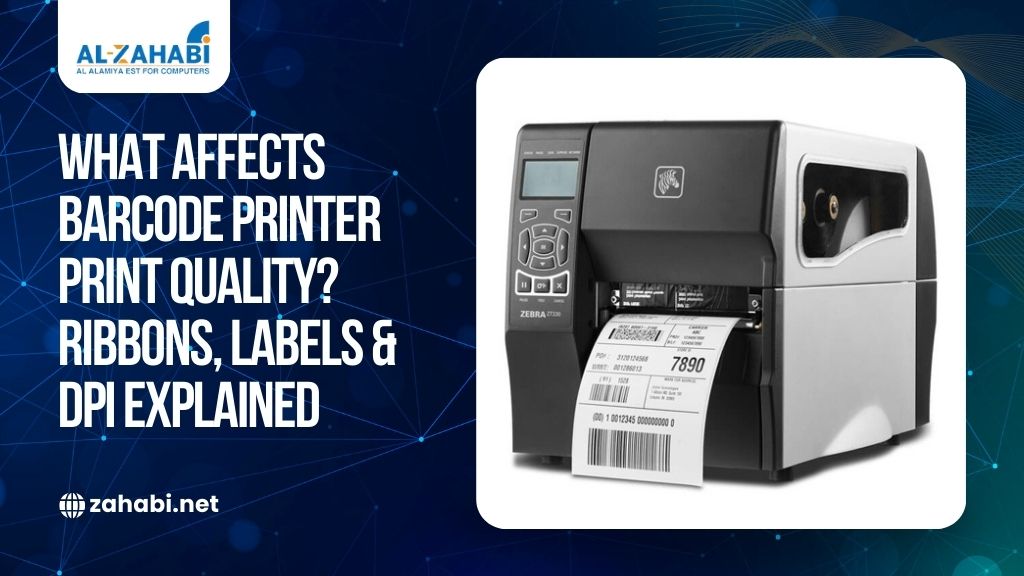
A barcode printer may seem like a small purchase. In reality, it touches inventory accuracy, dispatch speed, billing errors, and even customer trust. When labels fade, jam, or print inconsistently, the disruption spreads quickly across daily operations.
For businesses in retail, logistics, healthcare, and manufacturing, selecting the right supplier of barcode printers in Kuwait is about reliability, clarity, and long-term running cost, not just upfront price.
Letās break down what actually matters before you invest.
Know This Before Printing Anything
Before comparing models, get clear about what your labels need to do.
Label size and material
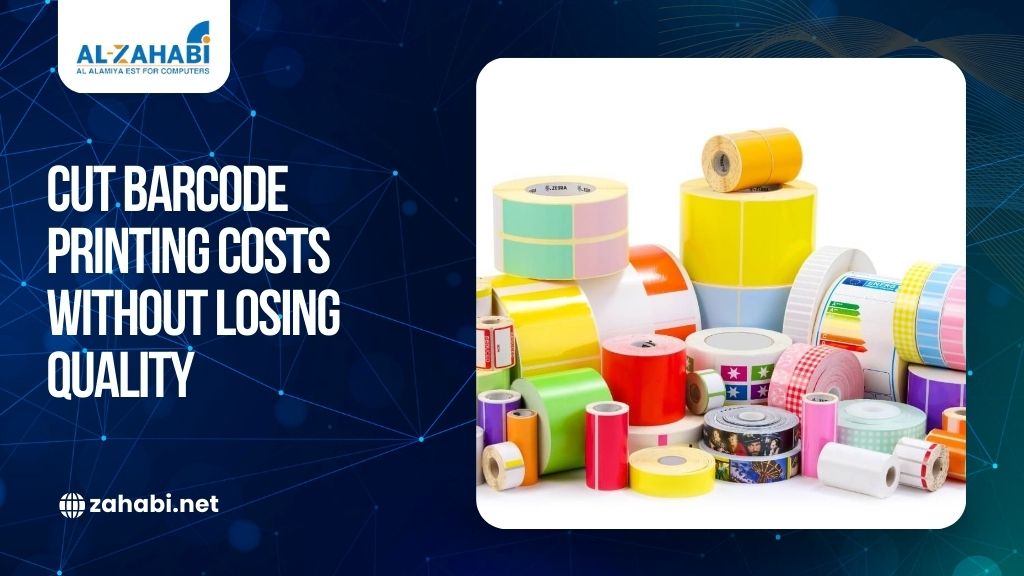
Are you printing small price tags, carton labels, asset tags, or wristbands? Paper labels work for short-term use. Synthetic labels handle moisture, heat, and frequent handling better, especially in warehouses and clinics.
Print durability
If labels need to survive storage, sunlight, or cleaning chemicals, print quality and ribbon compatibility become important. Fading barcodes slow down scanning and create errors.
How Much Volume Will You Run Daily?
A printer that works well for 50 labels a day may struggle at 5,000.
Low to medium volume
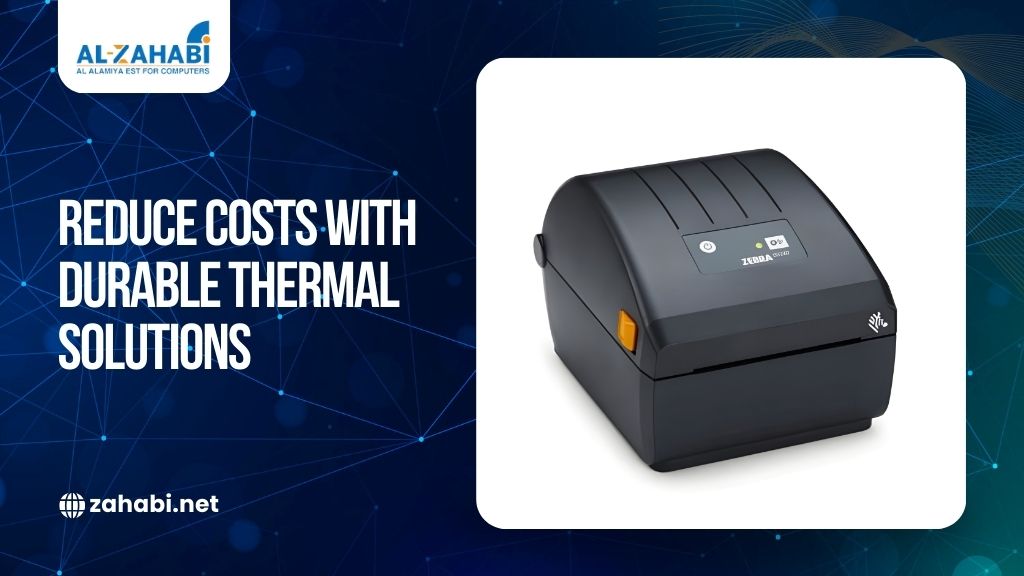
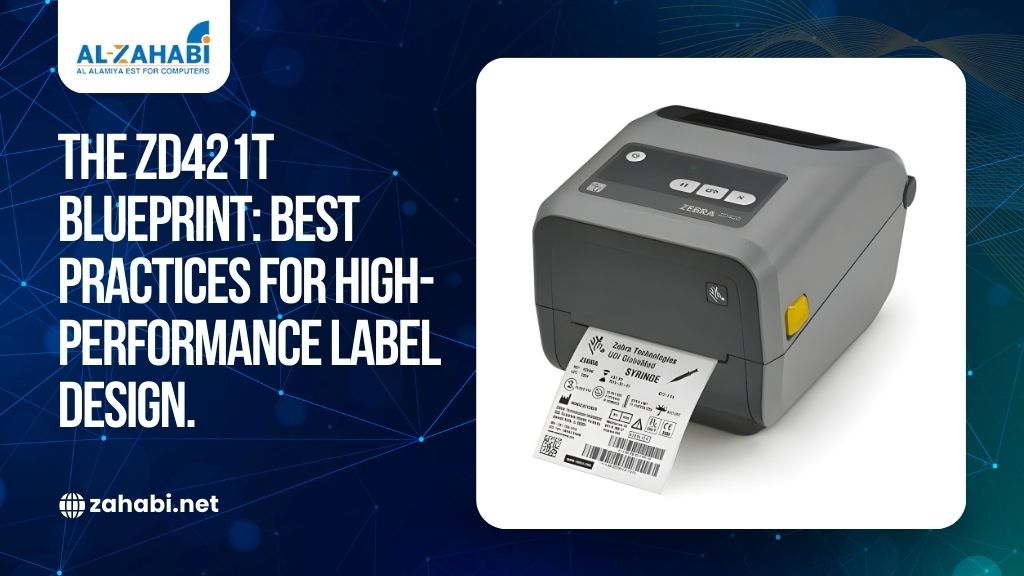
Desktop printers suit retail counters, pharmacies, and small offices. They are compact, affordable, and easy to maintain.
High volume environments
Warehouses, factories, and distribution centres need industrial printers that handle continuous printing without overheating or frequent downtime.
Planning slightly above your current volume avoids early replacement.
Speed or Precision? Sometimes You Need Both
Print speed matters during peak hours, but clarity matters even more for scan accuracy.
If your workflow demands fast batch printing, choose higher print speeds. If your labels carry dense data or small barcodes, higher resolution improves readability and reduces scanner retries.
The right balance depends on where the printer sits in your process.
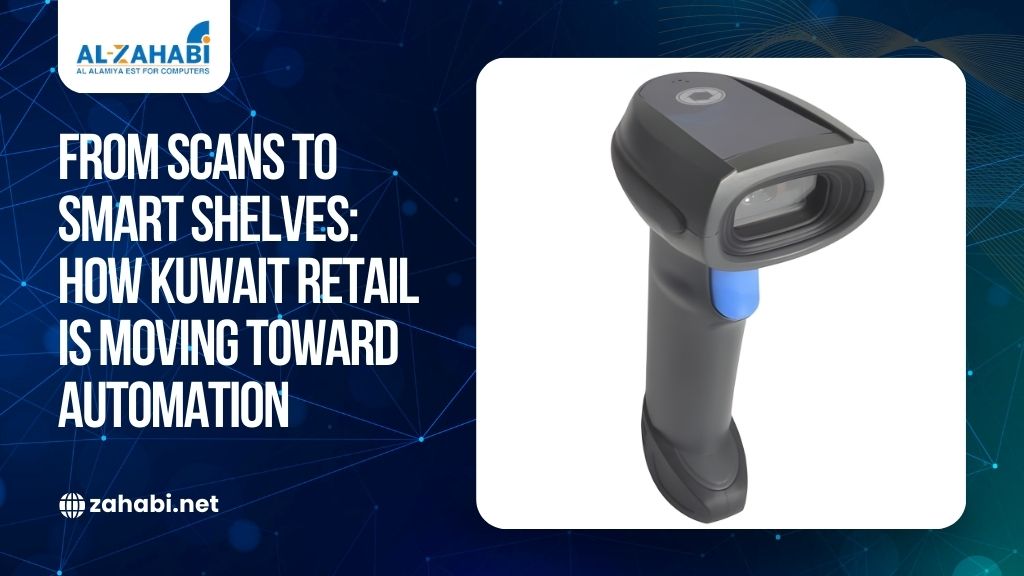
Explore how 2D barcode scanners are transforming retail in Kuwait storesāadvantages, challenges, and what to expect in 2025 in 2D Barcode Scanner in Retail: Advantages and Challenges for Kuwait Stores in 2025
Where Will the Printer Live?
The environment affects printer life more than most buyers expect.
- Dusty warehouses require enclosed designs.
- Heat exposure demands durable components.
- Limited counter space needs compact footprints.
- Shared workstations benefit from network connectivity.
Businesses looking for a barcode printer in Kuwait must tolerate real working conditions, not showroom environments.
Connectivity Should Match Your Setup
Make sure the printer integrates easily with your existing systems.
Common options include:
- USB for single workstation setups
- Ethernet for shared networks
- Wi-Fi for flexible placement
- Bluetooth for mobile operations
Compatibility with your POS, ERP, or inventory software saves setup headaches later.
Donāt Ignore Running Costs
The printer price is only part of the equation.
Factor in:
- Ribbon and label costs
- Print head lifespan
- Maintenance frequency
- Energy consumption
- Availability of local consumables
A slightly higher upfront investment often reduces long-term expense and downtime.
Local Support Makes a Real Difference
Fast service response matters when labels stop printing during business hours. Working with a local supplier ensures:
- Quick troubleshooting
- Genuine spare parts
- On-site support when needed
- Guidance on upgrades and scaling
This is where choosing a reliable barcode printer in Kuwait becomes just as important as choosing the machine itself.
Conclusion
Choosing the right barcode printer is not about chasing features. It is about understanding how your business prints, where the printer operates, and how reliable the support ecosystem is.
When you select a barcode printer in Kuwait that major businesses trust for durability, clarity, and local service, you reduce errors, save operational time, and keep daily workflows running smoothly.
A thoughtful choice today prevents repeated replacements tomorrow and builds quiet efficiency into every label you print.
FAQs
- What type of barcode printer is best for retail stores in Kuwait?
Desktop thermal printers work well for billing counters, shelf labels, and moderate daily volumes. They are compact and easy to operate.
- Is thermal or thermal transfer printing better?
Direct thermal suits short-term labels like receipts. Thermal transfer is better for durable labels that must last longer or face heat and moisture.
- How long does a barcode printer usually last?
With proper maintenance, industrial printers can last five to seven years or more. Desktop models typically last three to five years, depending on usage.
- Can one printer handle multiple label sizes?
Most modern printers support adjustable label widths, but frequent switching may require calibration and compatible media.
- Do barcode printers need regular servicing?
Basic cleaning and timely replacement of print heads and rollers help maintain consistent print quality and avoid breakdowns.