Every organization reaches a point where identification becomes more than just a name on a piece of paper. Whether it’s for security, access control, branding, or simple staff management, professional ID cards play a bigger role than many people initially expect. This is often when businesses, schools, and institutions start asking themselves an important question. Should we continue outsourcing ID cards, or is it time to bring the process in-house?
This is where ID card printers become a smart and practical solution. They give organizations control over design, issuance, and security, while also reducing long-term costs and delays. At Zahabi, we work with customers across Kuwait who want reliable, professional-looking ID cards without unnecessary complexity.
Why Professional ID Cards Matter More Than You Think?
An ID card is often the first visual representation of an organization. It signals structure, professionalism, and trust. When employees, students, or visitors wear clear and well-designed identification, it improves security and creates a more organized environment.
Many organizations wonder if basic printed cards are enough. In reality, professionally crafted ID cards reduce unauthorized access, simplify verification, and strengthen brand identity. This is why more organizations are investing in ID card printers to produce consistent, high-quality cards on demand.
What Are ID Card Printers and How Do They Work?
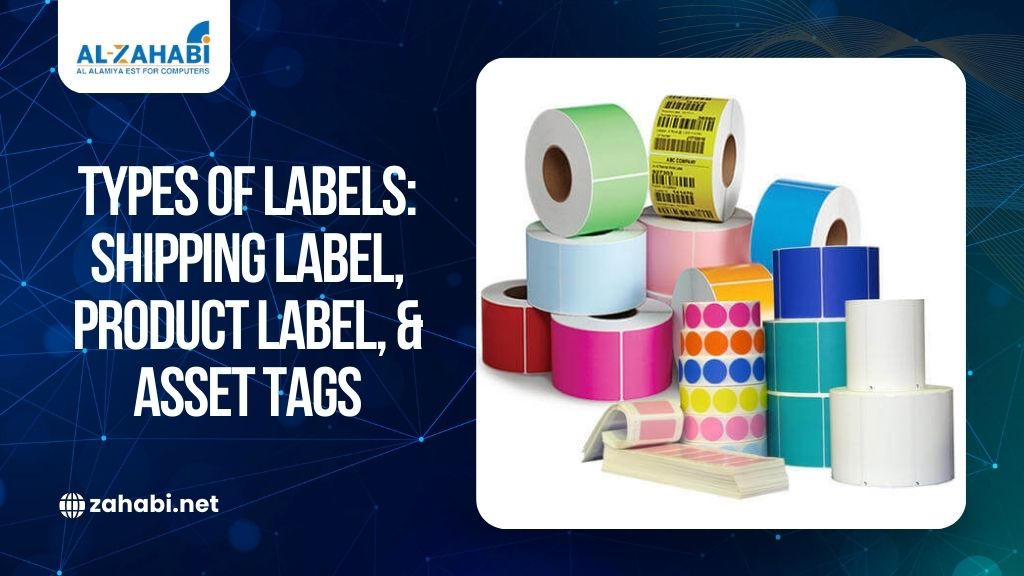
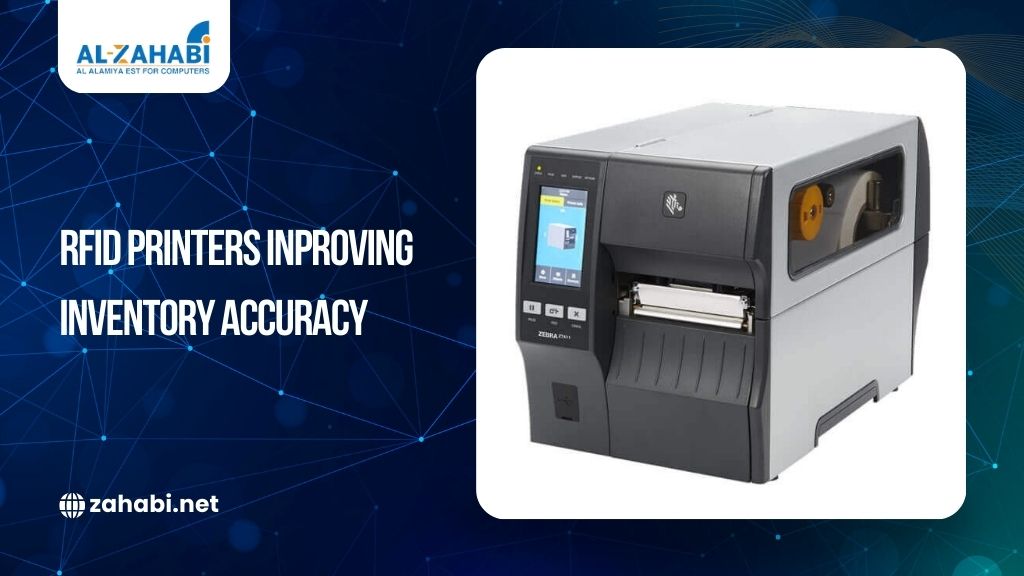
ID card printers are specialized devices designed to print text, images, and security features directly onto plastic cards. Unlike standard office printers, they are built to handle PVC cards and deliver precise, durable results.
Most modern printers use either direct-to-card or retransfer printing technology. Direct-to-card printing applies ink directly onto the card surface, while retransfer printing prints onto a film that is then bonded to the card. Both methods offer professional output, and the choice depends on the level of detail and durability required.
Understanding how ID card printers work helps organizations choose the right model for their needs.
Want to understand the basics of printing badges and credentials? Read “ID Card Printing Badges & Credentials: A Basic Guide”.
Common Use Cases Across Different Industries
Corporate Offices
Employee ID cards help manage access to buildings, departments, and secure areas. They also create a consistent professional appearance across teams.
Educational Institutions
Schools and universities use ID cards for students, faculty, and staff. These cards often double as library cards, exam identification, or access passes.
Healthcare Facilities
Hospitals and clinics rely on clear identification to ensure safety and accountability. ID cards help patients, visitors, and staff identify roles quickly.
Retail and Hospitality
Staff ID cards improve customer trust and help management maintain clear staff identification during busy operations.
Across all these sectors, ID card printers allow organizations to issue cards quickly and update them whenever roles or details change.
Key Features to Look for in an ID Card Printer
When choosing a printer, it’s important to think beyond just printing capability. Ask yourself whether you need single-sided or dual-sided printing, color or monochrome output, and how many cards you plan to print each month.
Other important considerations include:
- Print resolution and image clarity
- Speed and card capacity
- Encoding options, such as magnetic stripe or smart card support
- Compatibility with design software
Selecting the right ID card printers ensures smooth operation and consistent results.
Security Features That Enhance ID Card Effectiveness
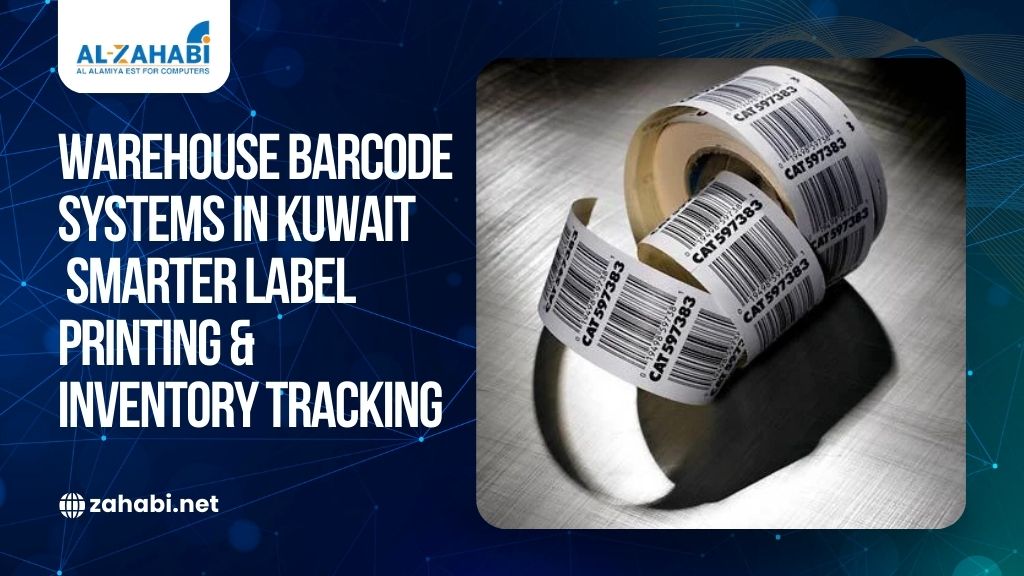
Professional ID cards are not just about appearance. Security features play a critical role. Holograms, UV printing, barcodes, QR codes, and embedded chips help prevent duplication and misuse.
Organizations often ask whether these features are necessary. The answer depends on how sensitive the environment is. For offices handling confidential data or facilities with restricted access, enhanced security features are essential.
Modern ID card printers support a wide range of security options, allowing organizations to scale protection as needed.
Benefits of In-House ID Card Printing
Bringing ID card production in-house offers several advantages. It eliminates waiting time, reduces outsourcing costs, and gives full control over card issuance. Lost or damaged cards can be replaced immediately without external dependency.
Another benefit is flexibility. You can update designs, roles, or branding elements at any time. Over time, this control often justifies the investment in ID card printers, especially for growing organizations.
Discover the trends shaping the future of ID card printing in “ID Card Printer Market Poised for Sustainable Growth”.
How Zahabi Supports Professional ID Card Printing?
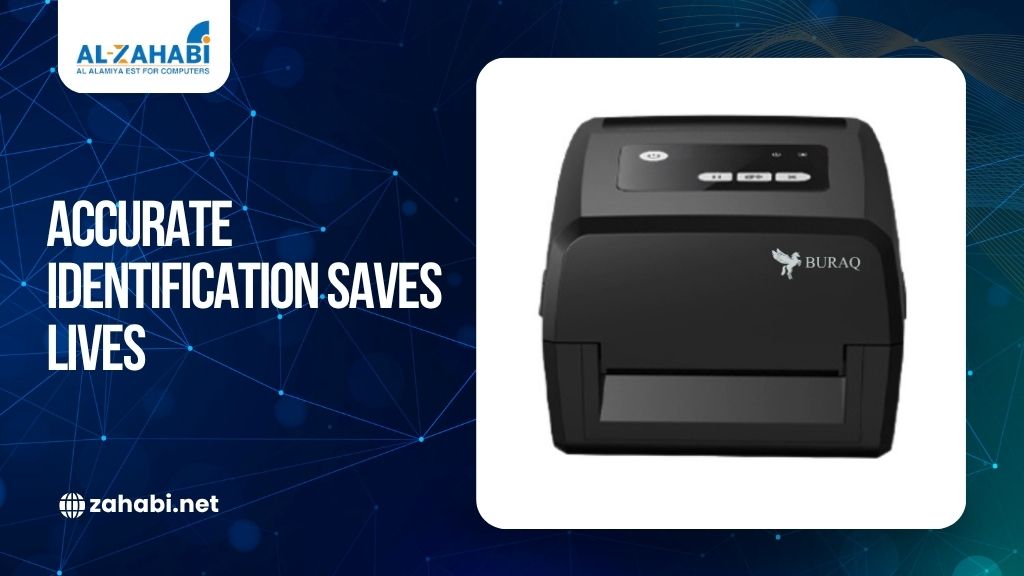
At Zahabi, we help organizations in Kuwait choose ID card printing solutions that match their scale and security requirements. From compact desktop printers to advanced models with encoding capabilities, we offer reliable options designed for consistent performance.
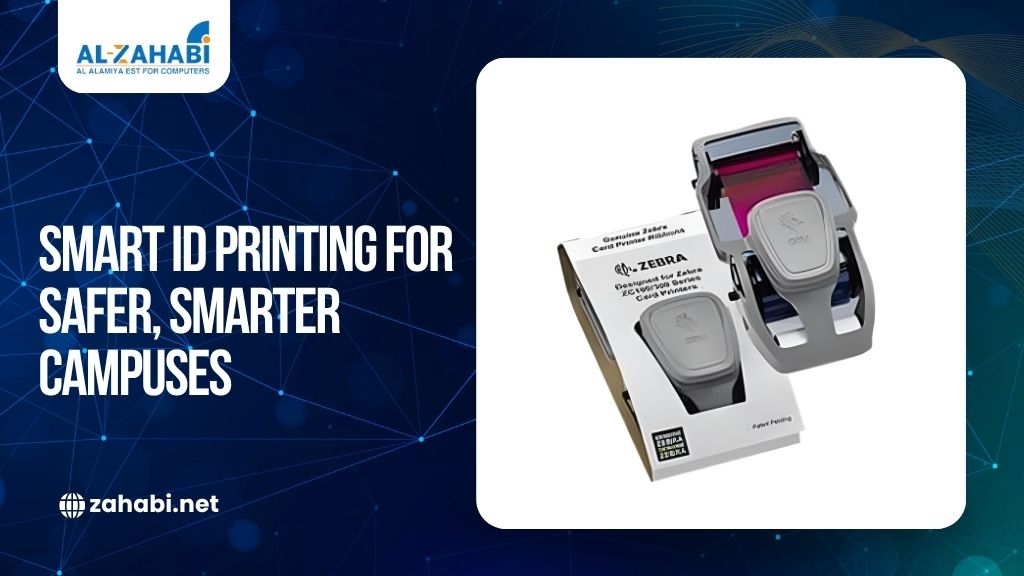
We also guide customers on consumables, card materials, and best practices to ensure smooth daily operation. If you are planning to introduce or upgrade ID card printing, Zahabi provides the tools and support to make the process simple and effective.
Conclusion
Crafting professional ID cards is no longer a complex or expensive task. With the right equipment, organizations can produce secure, high-quality cards that enhance safety, efficiency, and brand presence. ID card printers give you the flexibility to manage identification internally while maintaining professional standards.
At Zahabi, we believe that the right technology empowers better operations. Whether you are issuing a few cards a week or managing a large workforce, we are here to help you choose a solution that works today and grows with you tomorrow.
FAQs
What materials are used for ID cards?
Most professional ID cards are made from PVC or composite plastic for durability.
Can ID card printers print photos and logos?
Yes, they are designed to print high-resolution images and branding elements.
How long does it take to print one ID card?
Most printers can produce a card within seconds, depending on the model.
Are ID card printers suitable for small offices?
Yes, compact models are ideal for small teams and low-volume printing.
Can ID cards include barcodes or QR codes?
Yes, most printers support barcode and QR code printing.