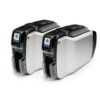
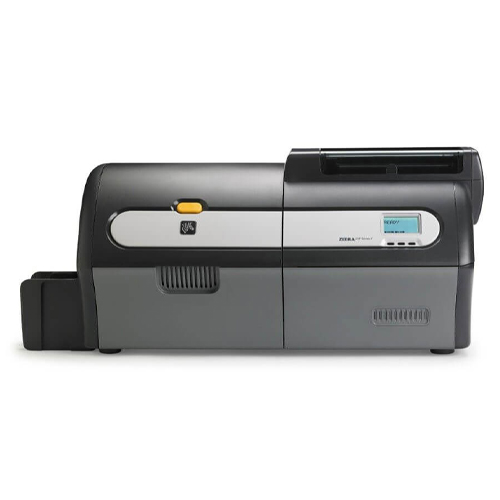
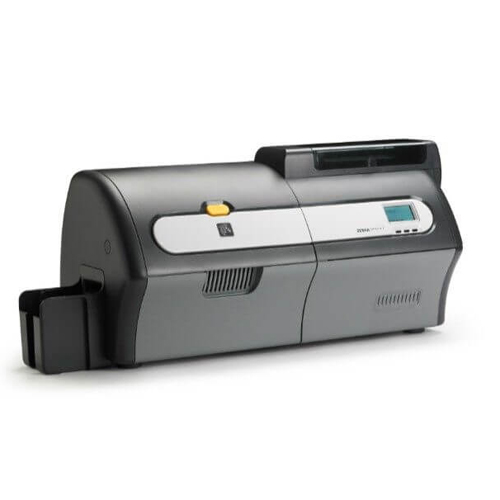
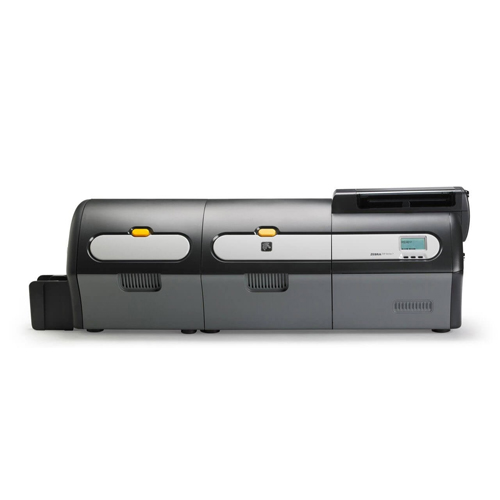
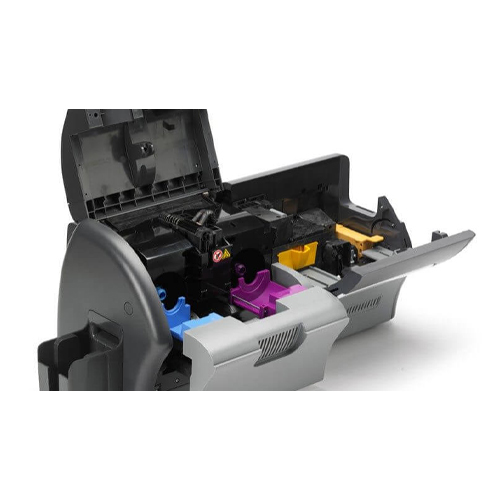
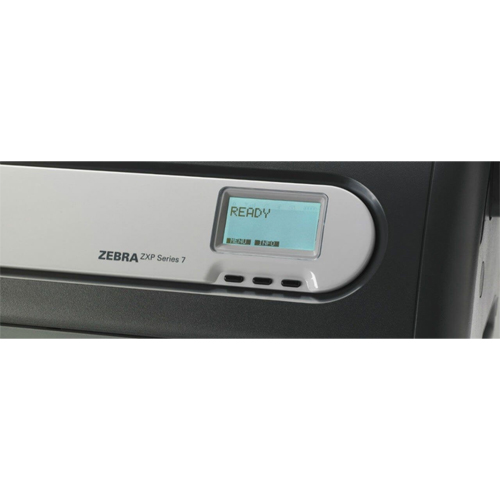
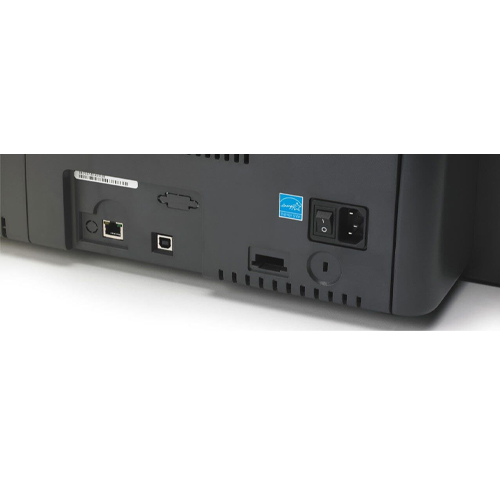
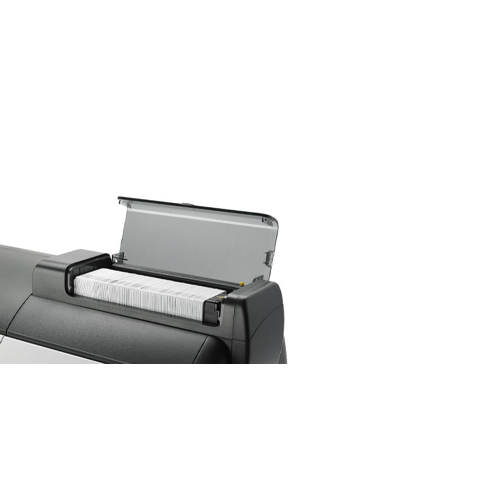
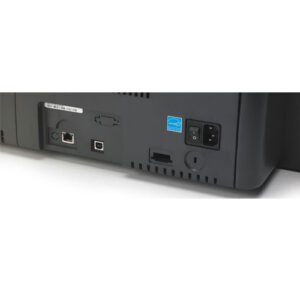
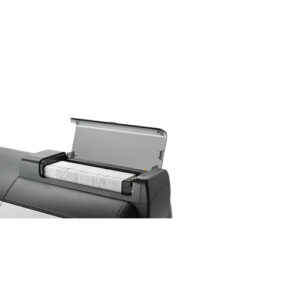
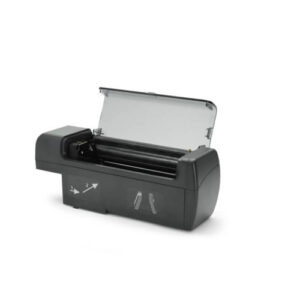
If you spend even a single day inside a modern hospital or clinic, you will notice countless moments where information needs to move quickly and accurately. A patient wristband printed in seconds. A lab sample is labeled the moment it is collected. A prescription sticker, a queue ticket, a radiology tag. Behind each of these small but essential steps is a quiet technology that rarely gets attention. That technology is the thermal printer.
Many medical professionals, administrators, and IT teams in Kuwait have started to ask a simple question. What exactly is the role of thermal printer technology in today’s fast-moving healthcare environment, and why has it become so vital? The answers go far beyond printing speed. They touch patient safety, record accuracy, infection control, digital integration, and operational reliability.
By the end of this guide, you will understand why almost every healthcare facility in Kuwait now relies on thermal printers in Kuwait, how these printers support clinical workflows, and what challenges hospitals should prepare for before switching fully to thermal printing.
Let’s start with a simple but important question.
Why Has Thermal Printing Become Essential in Kuwait’s Healthcare System?
Hospitals have always been complex environments. Thousands of small tasks take place every hour, and nearly all of them rely on accurate labeling and documentation. Traditional printers struggle to keep up with these demands. Ink smears. Labels fade. Printers jam. Toner runs out when it is needed most.
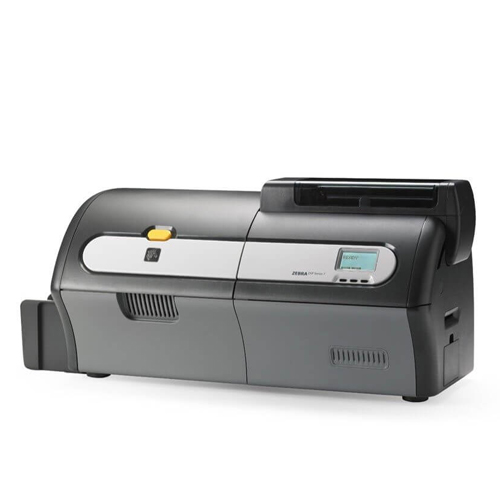
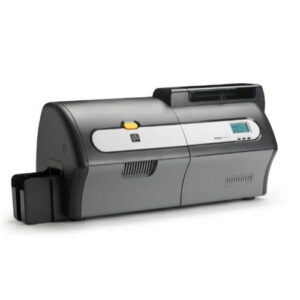
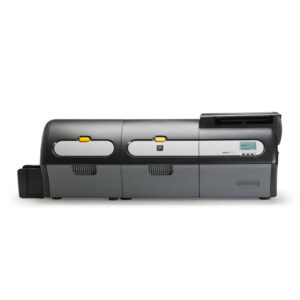
A thermal printer in Kuwait solves these problems with clean, fast, heat-based printing that requires no ink and no toner. Its reliability is the main reason why hospitals, clinics and labs now depend heavily on it.
But the real story is much deeper. To understand the role of thermal printer technology, we need to see how it functions across different departments.
-
Patient Identification and Wristband Printing
Every safe medical procedure begins with correct patient identification. A wristband printed with a thermal printer in Kuwait stays readable during:
- Frequent sanitizing
- Showering
- Long hospital stays
- Movement between departments
This is where the role of thermal printer technology becomes absolutely critical. If a wristband smudges or fades, the risk of mixing patients, medications or test results increases. Thermal printers ensure crisp, long-lasting wristbands that withstand Kuwait’s humid climate and intensive hospital routines.
2. Laboratory Workflows and Sample Tracking
In a laboratory, everything depends on accuracy. Every test tube, slide or container must be labeled with precision. A faded or peeling label can delay diagnoses or compromise outcomes.
A thermal printer in Kuwait is ideal for labs because it:
- Prints water-resistant labels
- Withstands refrigeration and freezing
- Handles high-volume batches
- Produces barcodes with perfect clarity
Lab staff rely heavily on the role of thermal printer technology to avoid misidentification, reduce sample mix-ups and maintain compliance with strict quality standards.
3. Pharmacy Labeling and Medication Compliance
One of the most overlooked areas of healthcare printing is pharmacy labeling. Patients depend on:
- Clear dosage instructions
- Expiry dates
- Warnings
- QR codes for digital systems
A thermal printer in Kuwait delivers labels that stay readable even on curved pill bottles, blister packs or cartons. Faded medication labels can create confusion, especially for elderly patients or multilingual households. The role of thermal printer solutions in pharmacies improves both safety and trust.
Want to know how to make your thermal labels last longer? Visit “What Is the Life of Thermal Labels?” for practical guidance
4. Radiology, Imaging and Diagnostic Departments
Imaging departments use thermal labels for:
- Film envelopes
- Request forms
- Tracking stickers
- Patient folders
Because radiology areas handle large daily volumes, a thermal printer in Kuwait must produce labels quickly, without reprints or smudging. The role of thermal printer solutions here is to maintain patient identity across all imaging stages, from scanning to follow-up.
5. Equipment and Asset Management
Hospitals have thousands of items that need tracking. Ventilators. Infusion pumps. Emergency carts. Surgical instruments. Monitors. In Kuwait’s active hospital environment, these items move constantly, often between wards.
Thermal labels remain readable after exposure to:
- Cleaning chemicals
- UV light
- Frequent handling
- Routine disinfection
This is another reason the role of thermal printer systems continues to expand in the healthcare sector.
6. Queue Management and Patient Flow
Reception counters, payment desks and outpatient clinics in Kuwait all depend on quick ticketing systems. A thermal printer in Kuwait produces queue numbers, receipts and appointment reminders in seconds. This supports smoother patient flow, especially during peak hours in busy districts like Hawalli, Farwaniya or Salmiya.
The role of the thermal printer here is speed and efficiency. Every second saved reduces congestion and improves patient satisfaction.
Advantages of Thermal Printers for Healthcare Facilities
Understanding the advantages helps explain why hospitals are increasingly adopting thermal technology in 2025.
1. High Printing Speed
A thermal printer produces labels almost instantly. There is no drying time and no smudging. This is essential during emergencies or high-traffic periods.
2. No Ink or Toner
This is one of the biggest advantages. A thermal printer in Kuwait eliminates:
- Ink cartridges
- Toner drums
- Frequent replacements
- Messy refills
The role of thermal printer technology is to simplify operations, reduce maintenance costs and eliminate downtime caused by empty cartridges.
3. Long-Lasting Print Quality
In healthcare, clarity matters. A blurred instruction, faded allergy alert or unreadable barcode can create medical risk. Thermal printing remains sharp even after exposure to moisture, handling and cleaning solutions.
4. Compact and Easy to Sanitize
Because hospitals must maintain strict hygiene, a thermal printer in Kuwait must be easy to clean. Thermal devices have fewer moving parts and smooth surfaces, making sanitation simpler.
5. Lower Long-Term Costs
This is where administrators see the biggest impact. Thermal printers reduce:
- Maintenance costs
- Replacement frequency
- Operational interruptions
The role of thermal printer systems includes improving efficiency and reducing long-term expenses for medical facilities.
Challenges of Using Thermal Printers in Healthcare
No technology is perfect. Here are the common challenges hospitals face.
1. Limitations With Heat Exposure
Direct thermal labels can fade if stored in very hot environments. Kuwait’s weather makes proper storage important, especially for facilities that keep rolls in non-cooled rooms.
2. Media and Supply Costs
Hospitals must use high-quality labels to avoid peeling or fading. Low-quality media may fail under medical conditions. Choosing a trusted supplier for a thermal printer in Kuwait prevents such issues.
3. Compatibility With Existing IT Systems
Some older hospitals use legacy software. Integrating the role of thermal printer systems may require mild updates, drivers or configuration changes.
4. Limited Color Printing
Thermal printing excels in black-and-white clarity but has limits when color coding is required. Many hospitals use color bands, so they may need parallel systems for color prints.
How Thermal Printing Supports Kuwait’s Healthcare Growth?
Kuwait’s healthcare sector is undergoing rapid modernization. New hospitals, private clinics and specialized centers are emerging each year. With increased digital adoption comes the need for accuracy and speed.
A thermal printer in Kuwait supports:
- Digital medical records
- Barcode-based patient tracking
- Improved lab workflows
- Enhanced medication safety
- Better equipment management
The role of thermal printer solutions is central to Kuwait’s push for faster, more reliable and more integrated healthcare delivery..
For insights into why thermal transfer printing delivers long-lasting results, check out “How Thermal Transfer Printers Improve Label Durability”
What Hospitals Should Look For When Choosing a Thermal Printer?
Before purchasing, consider:
1. Department Requirements
Lab needs differ from pharmacy needs.
2. Durability
Can it handle continuous daily use?
3. Connectivity
Does it connect easily to the hospital system?
4. Media Compatibility
Can it support different label sizes and types?
5. Supplier Reliability
Healthcare cannot afford delays or poor-quality materials.
This is why many healthcare teams choose to source a thermal printer in Kuwait from reputable suppliers who understand the sector’s demands.
Conclusion
Thermal printing has become a foundational tool in modern healthcare. From patient wristbands to laboratory labels and pharmacy packaging, the role of thermal printer technology affects nearly every stage of medical care. As Kuwait’s healthcare sector grows stronger and more digital, thermal printers help ensure accuracy, reduce errors, and support fast, reliable communication between departments.
If you are upgrading or planning to introduce a thermal printer in Kuwait, choosing the right provider makes the transition smoother. Many clinics and hospitals rely on Zahabi for dependable printers, medical-grade labels and responsive support that fits real healthcare workflows. With the right equipment, your staff gains speed, clarity, and confidence in every patient interaction.