Walk into any retail shop in Kuwait today, and you will see something that did not exist a decade ago. Customers walk up to the counter with products, tap or scan digital wallets, flash QR codes from their phones and expect a checkout process that is fast and seamless. Behind that smooth experience is a piece of technology retailers now rely on every day: the 2D barcode scanner.
If you run a store, supermarket, boutique, pharmacy or electronics shop, you already know how important it is to move customers efficiently and keep inventory accurate. But the big question remains. Should you upgrade to a 2D barcode scanner? Will it actually improve your operations? And what challenges should you prepare for in the transition?
Let’s break down everything Kuwait retailers need to know about using a barcode scanner in 2025. Because this technology is no longer a nice-to-have. It is becoming the backbone of modern retail.
Why Kuwait Retailers Are Turning to 2D Scanning Technology?
Customer behaviour in Kuwait has changed dramatically. Shoppers use digital receipts, app-based loyalty systems and QR-based coupons. Many products now include compact 2D barcodes that hold more data than traditional 1D barcodes. A standard barcode scanner cannot read these formats, which is why stores are upgrading.
A 2D barcode scanner does not rely on a single line of data like older devices. Instead, it reads the entire barcode pattern, capturing complex codes from multiple angles. This gives retailers more flexibility and speed at checkout and also supports a much wider range of scanning applications.
As Kuwait’s retail economy grows, accuracy and real-time tracking matter more than ever. That is why choosing the right barcode scanner can significantly impact your daily operations.
Advantages of Using a 2D Barcode Scanner in Retail
1. Reads All Barcode Types
A major limitation of older scanners is that they only read 1D barcodes. A 2D barcode scanner reads QR codes, Data Matrix, PDF417 and traditional barcodes. This supports modern inventory systems, mobile payments and product authentication.
For retailers that rely on digital coupons or app-based loyalty points, this flexibility is essential.
2. Faster and More Accurate Scanning
A busy Kuwait supermarket or pharmacy does not have time for scanning errors. A 2D scanner captures codes instantly, even if damaged or printed at an angle. This reduces checkout delays and helps your staff handle long queues smoothly.
A reliable barcode scanner also improves accuracy, which reduces inventory errors and pricing mistakes.
3. Scans Mobile Screens Easily
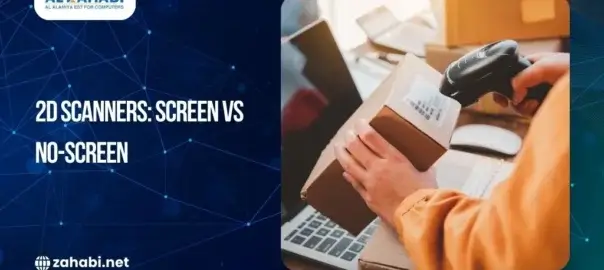
More Kuwait customers now use mobile apps for payments, promotions or loyalty programs. A big advantage of a 2D barcode scanner is the ability to read barcodes directly from smartphone screens. Traditional laser scanners often struggle with reflective surfaces or brightness.
With a good 2D scanner, your checkout process supports:
- Digital wallets
- App coupons
- E-vouchers
- QR-based membership codes
This alone is a major reason many Kuwait businesses are upgrading.
4. Supports Contactless Retail
Since 2020, Kuwait has seen a rise in contactless shopping habits. Customers want faster interactions and minimal physical exchange. When you combine mobile payments with a fast barcode scanner, you create a smoother and safer checkout environment.
Multinational brands in Kuwait have already made this shift, and local retailers are quickly following.
5. Better Inventory Management
With 2D scans, products can carry richer information. Inventory teams can track:
- Batch numbers
- Expiry dates
- Serial numbers
- Location data
- Warranty information
This is especially valuable for:
- Pharmacies
- Electronics stores
- Cosmetic shops
- Warehouses
The right barcode scanner gives your staff the ability to scan items that contain critical details, which improves record accuracy and reduces shrinkage.
6. Works From Any Angle
A traditional scanner needs perfect alignment. A 2D barcode scanner reads from any direction. This speeds up operations for staff who need to scan items quickly without stopping to rotate packaging. In busy Kuwait stores, this saves time during peak hours.
7. Durable and Long Lasting
Many Kuwait retailers operate in fast-paced environments. A good barcode scanner can handle repeated use, accidental drops and constant movement. Devices built for retail are designed to withstand heat, dust and long working hours. This durability reduces repair costs and downtime.
Discover how a simple device revolutionises inventory management learn how barcode scanners work and why they matter for every retail business.
Challenges Retailers Face When Using 2D Barcode Scanners
Switching to a 2D system has many advantages, but it also brings a few challenges you should plan for.
1. Higher Initial Investment
A 2D barcode scanner costs more than traditional laser scanners. For small shops, the upfront cost may feel heavy. But most retailers see the investment pay off through faster checkout times, lower errors and better inventory control.
2. Staff Training
Even though a barcode scanner looks simple to use, proper training matters. Staff need to understand:
- How to scan mobile screens
- How to handle multiple barcode types
- How to troubleshoot misreads
- How to store and maintain devices
Training usually takes only a few hours, but it is essential.
3. Updating POS Software
Some older POS systems in Kuwait do not immediately support all 2D formats. You may need:
- Software updates
- Driver installations
- Integration checks
Most modern POS systems handle 2D scanning easily, but older setups need adjustment.
4. Compatibility With Mobile Devices
Customers use different phones with varied screen brightness, case types and screen protectors. A good barcode scanner must support all of these without slowdown.
5. Choosing the Right Model
Not every scanner is built for retail. Some are made for logistics, manufacturing or outdoor use. Selecting the correct device ensures your operations run smoothly.
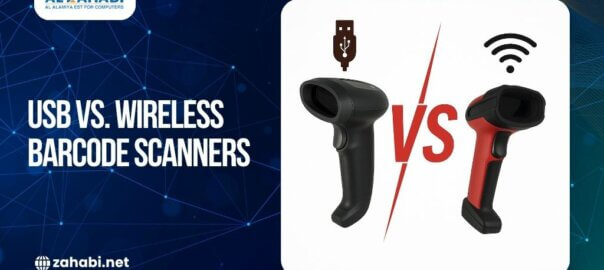
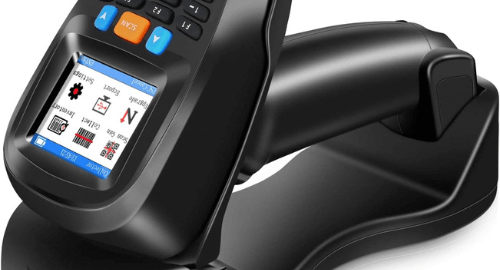
A trusted option for Kuwait retailers is the Zebra DS2278. It is wireless, fast and easy to integrate with most POS systems.
How a 2D Barcode Scanner Improves the Customer Experience?
A good retail experience in Kuwait depends on speed, accuracy and convenience. When you use a modern barcode scanner, customers notice:
- Faster lines
- Fewer pricing errors
- More accurate receipts
- Better handling of digital coupons
- A smoother checkout flow
As more shoppers rely on smartphone-based interactions, a 2D scanner helps you stay aligned with customer expectations.
Why a High-Quality Barcode Scanner Matters More in 2025?
Kuwait’s retail industry is expanding, and customer expectations are higher than ever. Long queues, slow checkouts or scanning failures can make customers instantly switch to a competitor.
A strong 2D barcode scanner helps you:
- Reduce staff workload
- Speed up transactions
- Improve inventory accuracy
- Support mobile and digital shopping habits
- Build customer trust
In 2025, these are no longer competitive advantages. They are basic expectations.
Conclusion
Upgrading to a 2D barcode scanner is one of the smartest decisions a retail business in Kuwait can make today. It improves accuracy, supports mobile-driven shopping behaviours, speeds up checkout times and strengthens overall inventory management. While there are a few challenges, the long-term benefits far outweigh the initial learning curve.
If you are considering adding a new barcode scanner to your system, choosing a reliable device and a trusted supplier makes the entire experience easier. Many Kuwait retailers prefer Zahabi because they carry genuine products like the Zebra DS2278 2D Wireless Barcode Scanner, along with a full range of barcode labels, scanners and POS essentials. Their support helps you find the right tool for your store, whether you manage a single shop or multiple branches.
In a retail world that moves fast, the right barcode scanner helps you stay ahead. And in 2025, that matters more than ever.
Frequently Asked Questions
1. What type of products do I sell?
Electronics, cosmetics and pharmaceuticals often need detailed scans.
2. Does my POS accept 2D codes?
Make sure your software supports full 2D integration.
3. Do I need wireless scanning?
Wireless models help staff manage queues and reach bulky items.
4. How many devices does my store need?
Consider backup units for rush hours.
5. What level of durability do I need?
High-traffic stores need stronger devices.
6. Who is my supplier?
Buying a barcode scanner from a trusted local source like Zahabi ensures warranty, support and genuine products.