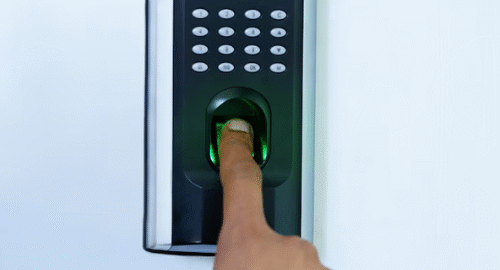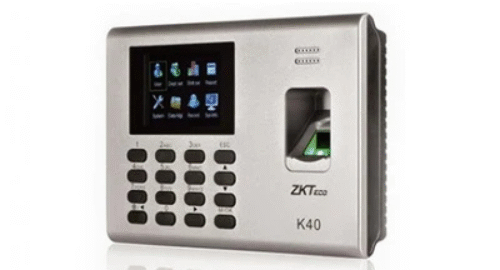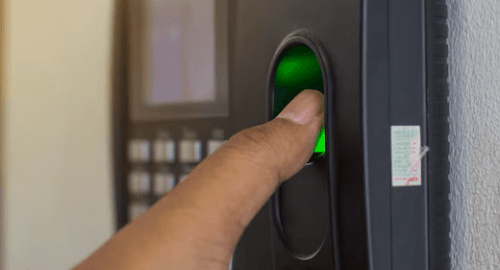
Have you ever wondered how safe it is when your face or fingerprint becomes the key to your workplace door? In Kuwait today, businesses are increasingly turning to biometric attendance systems and face attendance system solutions to simplify workforce management, cut down on “buddy-punching”, and streamline operations. But as we bring this technology into our offices, we must ask: What ethical trade-offs are we making when we turn human identity into data?
What is Biometric Data and Why Are Firms Using It?
Biometric data refers to unique personal attributes like fingerprints, facial structure, iris patterns, or even voiceprints, used to identify or verify someone. Unlike a badge you can lose or share, your biometric trait is inherently yours. That makes it powerful but also deeply personal.
Across the Middle East, adoption of biometric workforce tools is accelerating. According to one market research, the Middle East & Africa region’s biometric system market is projected to reach USD 4.5 billion by 2028. Meanwhile, in Kuwait, the government reported a 98% compliance rate with its national fingerprint-based system, underscoring how biometric identification is becoming everyday infrastructure.
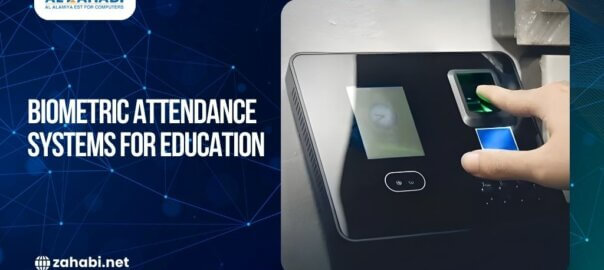
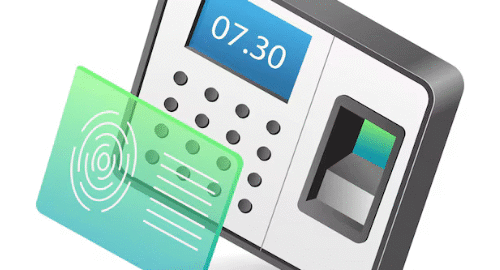
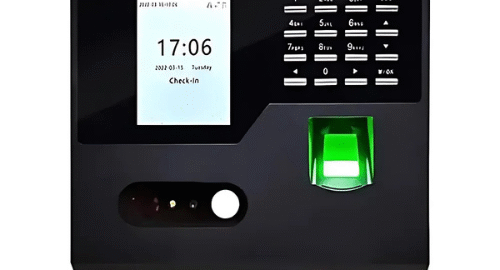
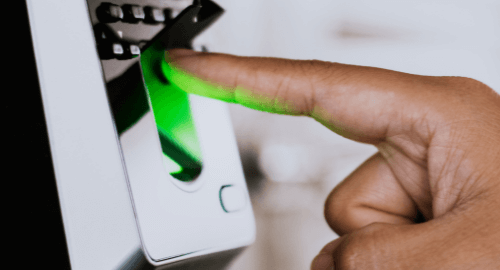
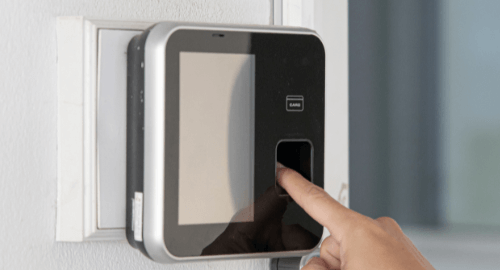
In workplaces, this means installing systems like the “Wireless Facial Recognition Time Attendance Terminal with Fingerprint module” offered via Zahabi. These face attendance system devices are fast, efficient, and often more accurate than legacy punched-card or swipe-badge systems — perfect for the modern world.
Why Do Kuwaiti Businesses Adopt Biometric Attendance Systems?
You might ask: If my current system still works, why switch to biometrics? The answer is multi-fold:
- Accuracy improves — reducing payroll errors and eliminating proxy clock-in (so-called “buddy-punching”). A Kuwaiti business commentary noted that manual or card-based systems often lead to employee time abuse.
- Integration becomes simpler — modern systems sync attendance data into HR, payroll, and analytics platforms.
- These systems support fast-growing businesses in Kuwait’s dynamic economy (oil & gas, services, retail), where efficient workforce control is key.
Yet, just because a tool is efficient doesn’t mean it is risk-free. That leads us to the ethical concerns.
What Are the Ethical Concerns?
Let’s explore key questions that business leaders in Kuwait should ask when deploying biometric systems:
1. Is Consent Truly Informed?
When you sign up for a system, do you know what happens to your facial or fingerprint data? Many employees ask: Will my data be shared? Who can see it? How long is it stored? Transparent communication matters. Otherwise, trust erodes.
2. What Happens if the Data Is Breached?
A breach of biometric data has more serious implications than a hacked password. You can reset a password, but you can’t change the structure of your face or fingerprint. A system provider must ensure encrypted templates, not raw images, and local, secure storage.
3. Could the Technology Be Misused?
Beyond attendance, could facial recognition be used to monitor who visits coffee machines, who talks to whom, or who lingers in stairwells? Without governance, a face attendance system can slide from an efficiency tool into intrusive surveillance.
4. Does the Technology Work Fairly?
Studies have shown that facial recognition systems may have higher error rates for certain skin tones, genders, or lighting conditions. This raises biased concerns — especially relevant in diverse workforces like Kuwait’s.
5. What Happens to Data If You Leave the Company?
Your biometric identity should not become a lingering risk. Do you have the right to delete or transfer your data? Are there policies for de-registration?
If companies answer these questions clearly, then they are more than just installing technology; they are establishing responsible systems.
For instance, the government’s fingerprint initiative reaching 98% compliance shows how biometric identity is becoming normalized. But normalization does not mitigate ethical scrutiny — in fact, it raises the bar for corporate responsibility.
A Gulf-based report also noted that the adoption of contactless biometric systems grew strongly in the Middle East, with many adopting face attendance system devices for hygiene and efficiency in post-pandemic workspaces.
This suggests the Kuwait business landscape isn’t just copying technology — it’s recalibrating how identity, access, and workforce data converge.
Implementing Biometric Attendance Ethically in Kuwait
Here’s how organizations in Kuwait can balance innovation with responsibility:
- Begin with clear policies. Collect face scan of your employees and, store the encrypted template. Only HR and authorised admins can access the data; it will be deleted in X years, and you can request deletion.
- Support data minimization. If you only need attendance, don’t capture continuous video or location tracking.
- Ensure secure infrastructure. Use systems that store templates locally or in a controlled cloud with region-specific compliance and strong encryption.
- Build employee awareness. A biometric system is only trustworthy if people understand it. During deployment, include training and Q&A sessions.
- Select the right technology partner. Companies like Zahabi emphasise both performance and compliance in their biometric attendance systems.
By treating biometric deployment as a culture shift (not just a tech upgrade), companies can protect their reputation and build employee trust.
So, Should Your Company Use a Biometric Attendance System?
Ask yourself: Are we ready for the responsibility behind the convenience? If your answer is yes, then implementing a high-quality system like the Biometric Attendance System can be most suitable for you. It offers advanced features designed for Kuwait’s enterprise environment — seamless verification, dual-mode (face + fingerprint), and integration readiness.
If your answer is no, or you can’t answer the ethical questions above with confidence, then pause. Technology rushed without trust is more harmful than helpful.
FAQs
- What is biometric data?
Biometric data refers to measurable physical or behavioural traits—such as fingerprints or facial scans—used for identification. - Is the biometric attendance system data safe?
If the system uses encryption, stores only templates, and limits access, then yes. Safety also depends on the company’s governance and transparency. - How can organizations collect biometric data ethically?
By obtaining informed consent, clearly communicating purpose, limiting data use, securing storage, and enabling deletion of data. - Why are businesses adopting biometric systems despite concerns?
Because these systems offer accuracy, reduce fraud (e.g., buddy-punching), streamline payroll and attendance operations — especially in dynamic economies like Kuwait’s, where workforce efficiency is a priority.
Conclusion
Innovation and ethics must go hand in hand. In Kuwait’s evolving workplace landscape, a biometric attendance system or face attendance system can deliver tremendous benefits but only if implemented thoughtfully.
When organizations choose technology that prioritises both performance and privacy, they manage not just attendance, but trust. For businesses ready to take the next step, exploring advanced systems from Zahabi ensures you’re opting for both efficiency and responsibility.